Glass containers
Why industrial gases in glass container production
Solutions and technologies to improve the appearance and quality of glass containers
The use of industrial gases in glass container production is essential to ensure consistent quality, process control and maximum energy efficiency. Advanced combustion and atmosphere solutions improve production performance, reduce emissions and enhance every stage of glass processing.
Zero defects
Zero defects in products
Quality
Increases product quality and appearance
Productivity
Improved productivity and carbon footprint
Products and technologies for glass melting
Products and technologies for glass melting play a key role in optimizing the production process and the quality of the final product: the use of oxygen and oxyboosting solutions improves kiln energy efficiency, while staged combustion enables more precise flame control and reduced emissions. Completing the process, mould lubrication systems ensure production continuity, longer equipment life and high-quality finishes in glass containers.
Oxygen for glass melting
Boosting productivity with combustion air enrichment
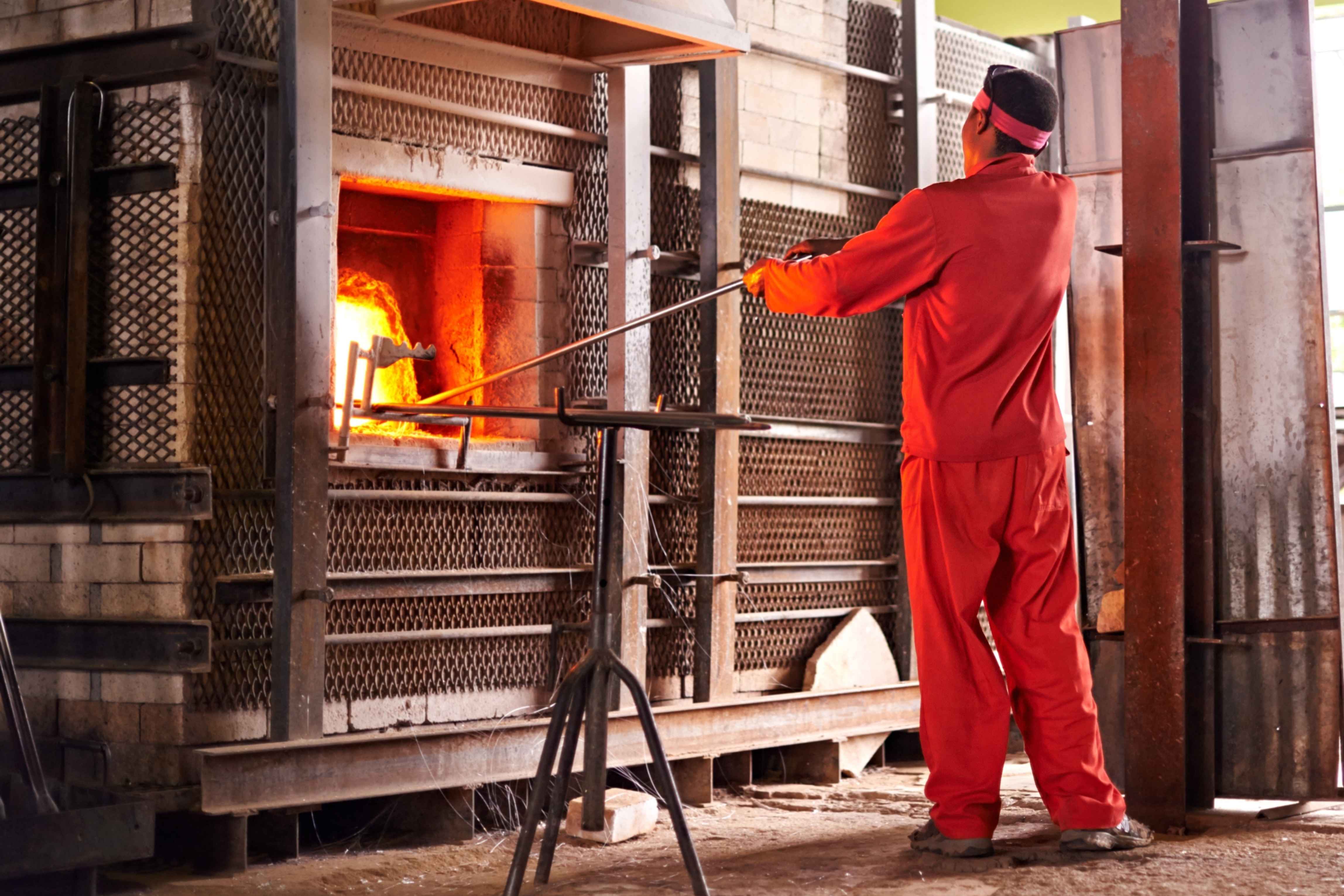
In recent decades, the glass industry has sought to improve the efficiency and productivity of its furnaces. One solution to enhance the melting process is enriching combustion air with oxygen.
The oxygen-air mixing system is designed and customized according to process requirements: it ensures correct and rapid gas homogenization and uniform distribution of the mixture inside the furnace.
We work with customers to determine the most suitable and efficient location for installing the mixing system, thereby maximizing the benefits achieved.
Oxyboosting
Maximizing production and improving glass quality with oxygen burners
Oxyboosting allows production to be increased and glass quality to be improved while reducing CO2 emissions, through the installation of specially designed SIAD burners that ensure efficient and homogeneous glass melting.
Careful selection of the burner location is essential for the success of the application. We ensure precise control of fuel and oxidant flow rates to the burners, maintaining the correct combustion ratio. In addition, the alarm control system, integrated into the PLC, provides maximum safety and reliable process operation.
Staged combustion
Minimizing NOx formation
By introducing pure oxygen into specific areas of the furnace, combustion can be optimized and NOx formation minimized.
By positioning oxygen delivery lances, the interaction between oxidant and fuel is optimized, improving the overall energy efficiency of the glass melting process. This approach makes it possible to create staged combustion, in which the fuel “reacts” with oxygen in multiple phases of the process, greatly reducing NOx formation.
Mould lubrication with acetylene
Reducing processing waste and automating the process, improving efficiency and safety.
The process involves the injection and ignition of acetylene.
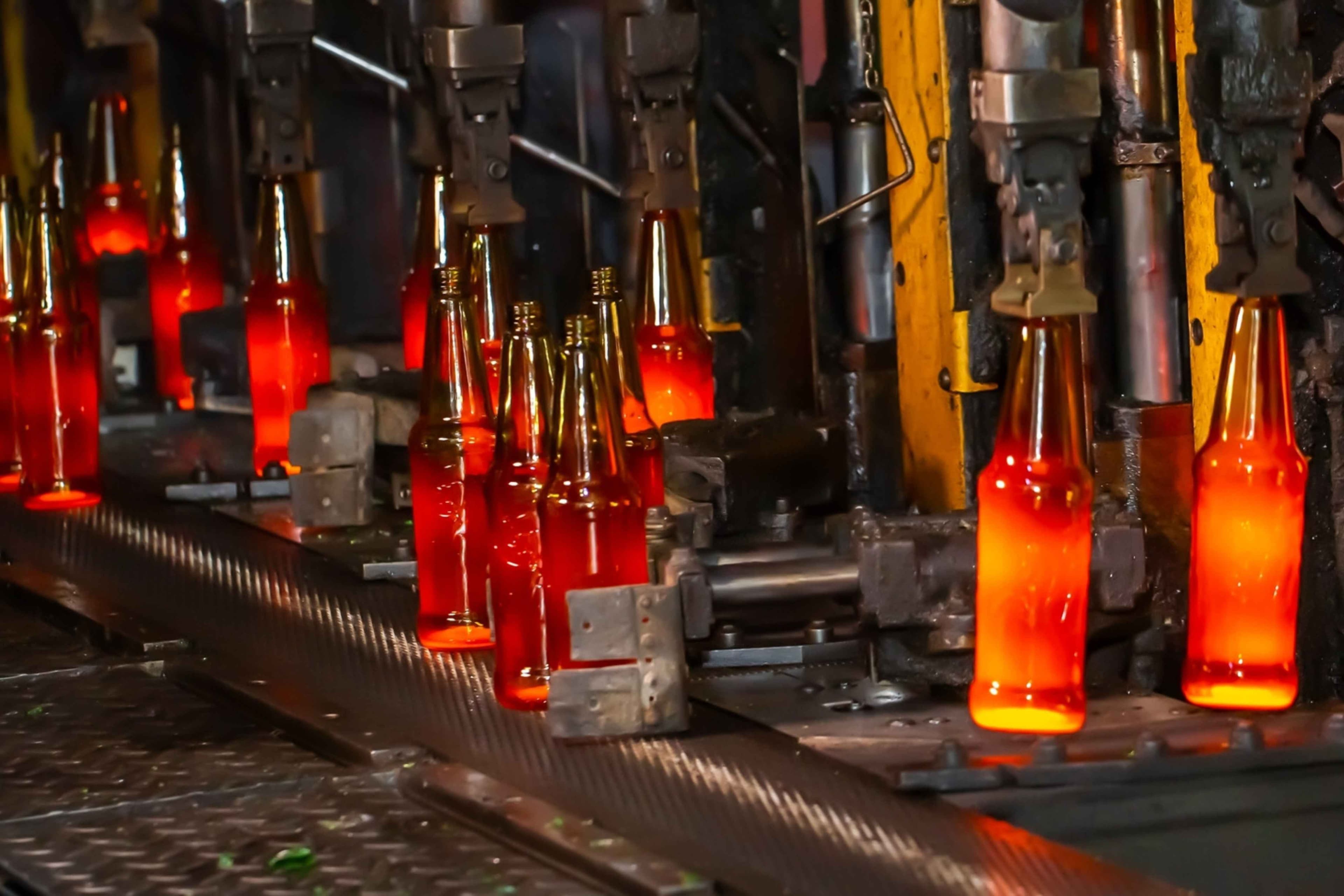
The controlled combustion of acetylene forms carbon that deposits uniformly on the walls of the container mould. The system is equipped with safety measures for the correct management of acetylene, from storage through to the delivery system.
The “acetylene moulds” line specifically designed for lubrication in glassworks has a low phosphine and arsine content, which are the main causes of low product quality.
Contact us
Would you like to request more information?
Our experts support you in choosing the optimal gas and technology for your process, with technical consultancy and guaranteed supplies.