Biomethane Production
Why the biomethane supply chain
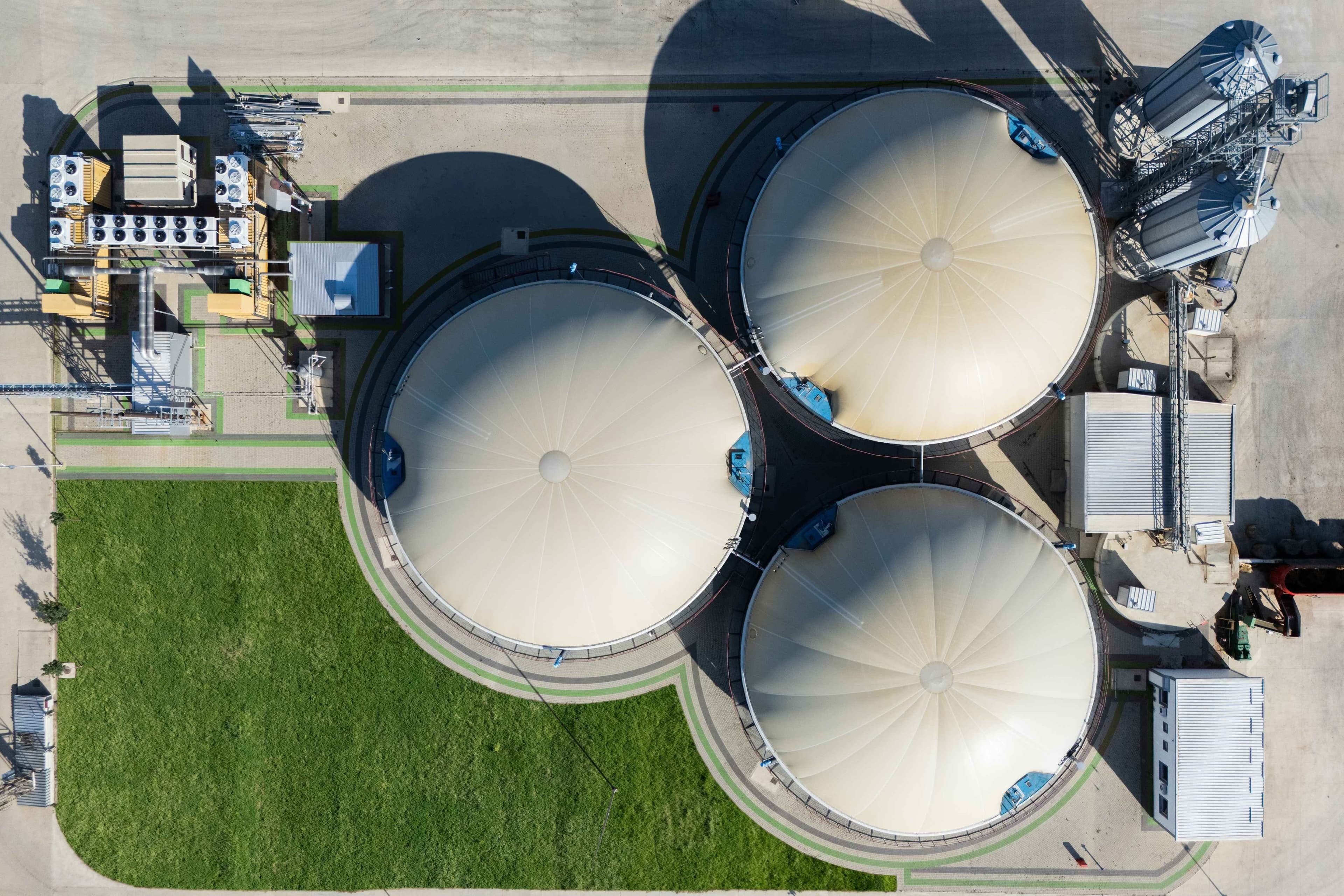
Transforming biomass and waste into biomethane and bio-LNG
In the “Waste to Biomethane” supply chain, every stage—from desulphurisation to biogas upgrading, through liquefaction for bio-LNG production and management of the separated CO₂—requires specific technologies and technical gases. SIAD supports customers with technical gases, TPI plants, SIAD MI compressors, and analysis and calibration services to produce biomethane and bio-LNG from biomass and organic waste, combining self-produced renewable energy with reduced environmental impact.
>99%
CH₄ recovery with purity above 99%
Food-grade CO₂
Recovered food-grade CO₂
Complete
Complete supply chain covered by a single group
Complete supply chain
Complete supply chain
SIAD is involved in every stage of the biomethane production supply chain, from micro-oxygenation with oxygen to nitrogen for liquefaction and inerting, through to certified mixtures for calibrating analysis instruments.
TPI technology
TPI technology
Tecno Project Industriale has the broadest international experience in membrane upgrading from OFMSW, with highly selective HPSM technology, Pure LNG liquefaction solutions, and CO₂ recovery and liquefaction plants.
Analysis and calibration
Analysis and calibration
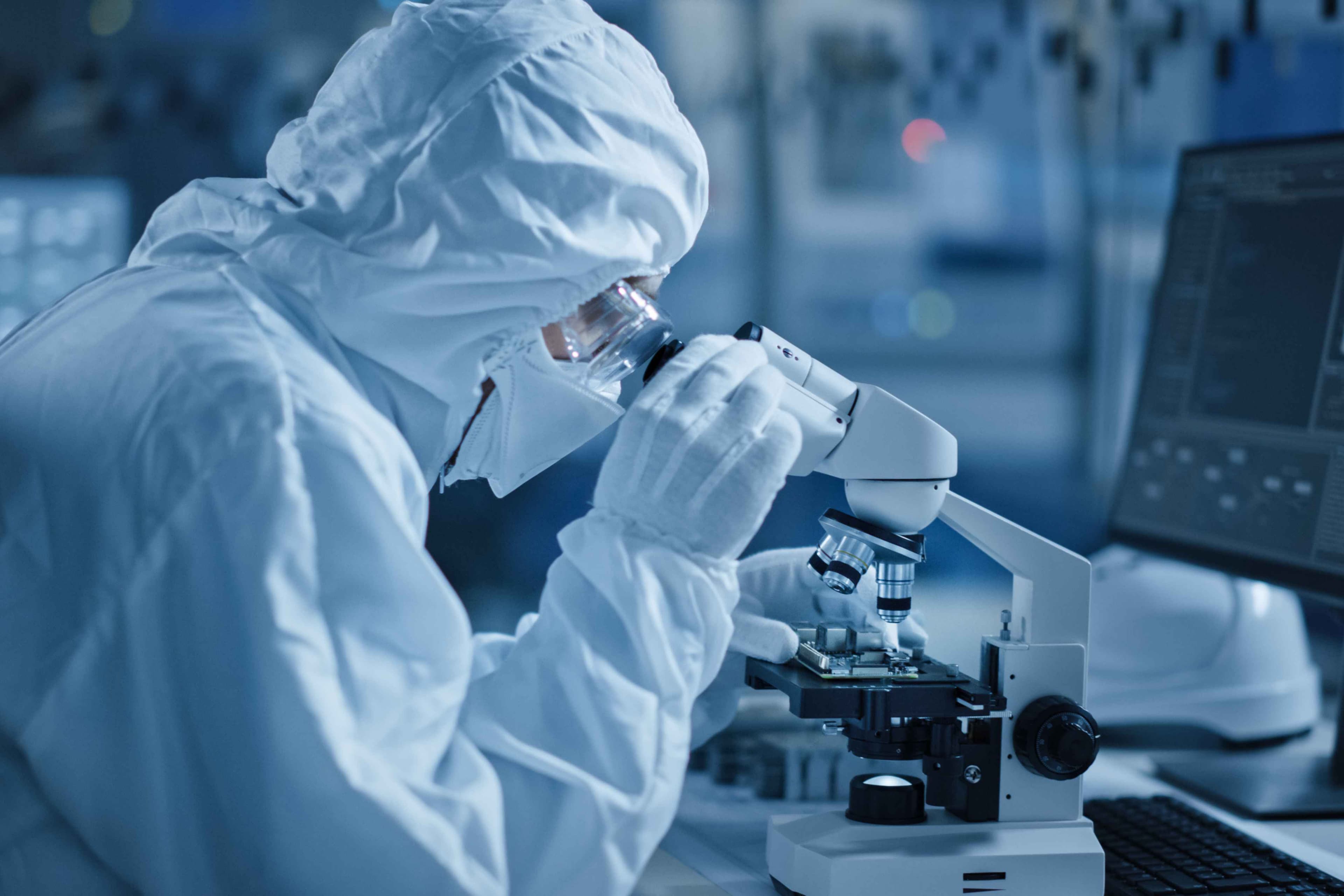
Through its SIAD Laboratory (LAT Centre ISO 17025, RMP ISO 17034), SIAD provides gas analysis systems and LAT mixtures with metrological traceability for quality control of incoming biogas and outgoing biomethane.
SIAD technology for producing biomethane and bio-LNG
SIAD offers technical gases, upgrading and liquefaction plants, dedicated compressors, and analysis services to manage the entire supply chain. The solution varies according to the process stage: biogas desulphurisation, upgrading to biomethane, liquefaction to bio-LNG, and CO₂ recovery, with technical consultancy and guaranteed supplies.
Nitrogen: the most widely used gas in the biomethane supply chain
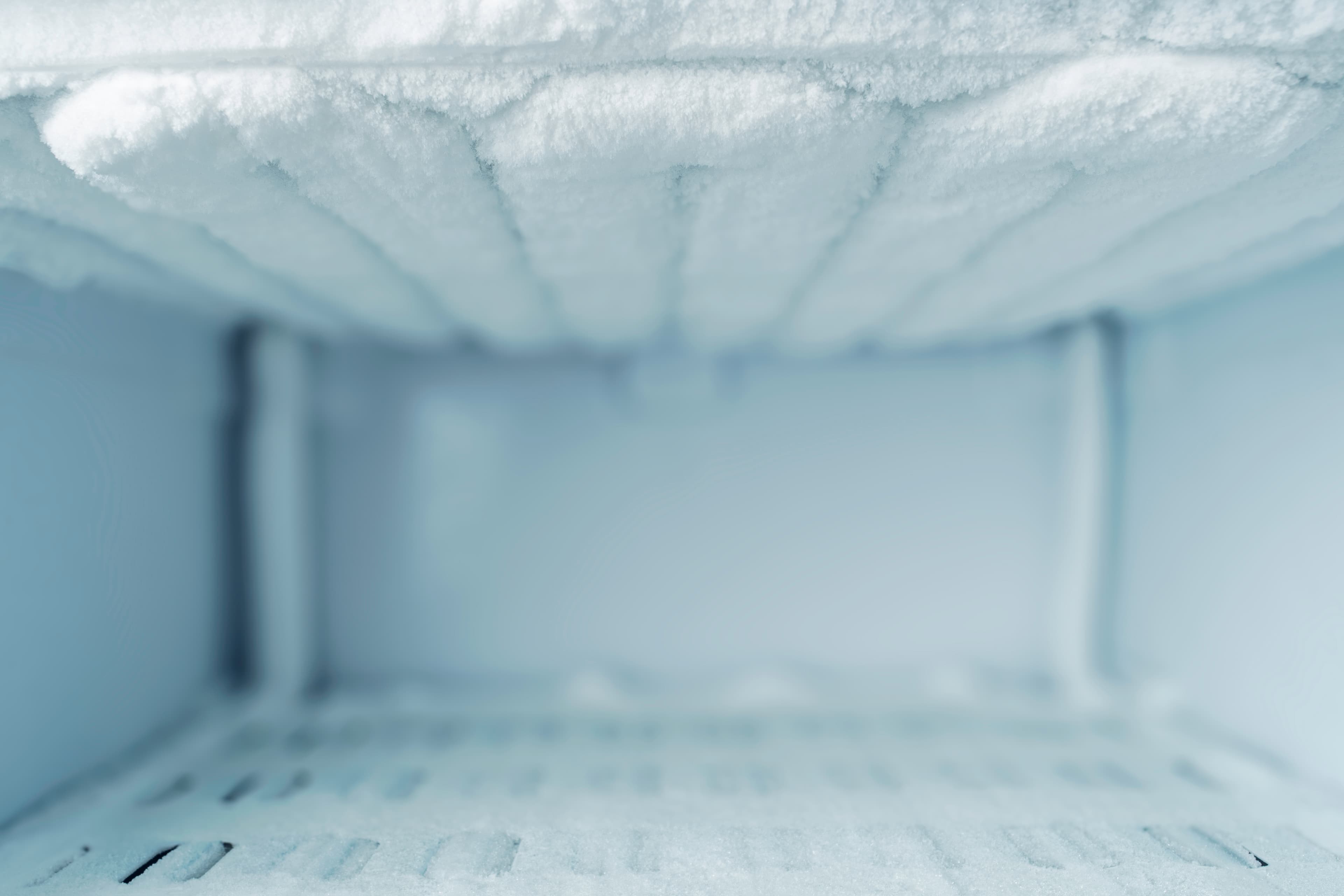
Liquid nitrogen, with a boiling temperature (-196°C) lower than that of methane (-162°C), enables methane liquefaction through dedicated heat exchangers. It is also used for blanketing and inerting reactors, pipelines, and equipment, preventing fire and explosion risks during maintenance, activated carbon filter regeneration, and commissioning of LNG and CNG tanks and pipelines.
Biogas upgrading and liquefaction with TPI technology
Three-stage HPSM membrane plants achieve recovery efficiencies above 99% without chemical agents, with flow rates from 50 to 3,000 Nm³/h. Alternatively, selective-solvent plants operate at low pressure with CH₄ purity above 99%. The three Pure LNG technologies (LIN, DCE, TB) enable liquefaction to bio-LNG up to 1,400 Nm³/h.
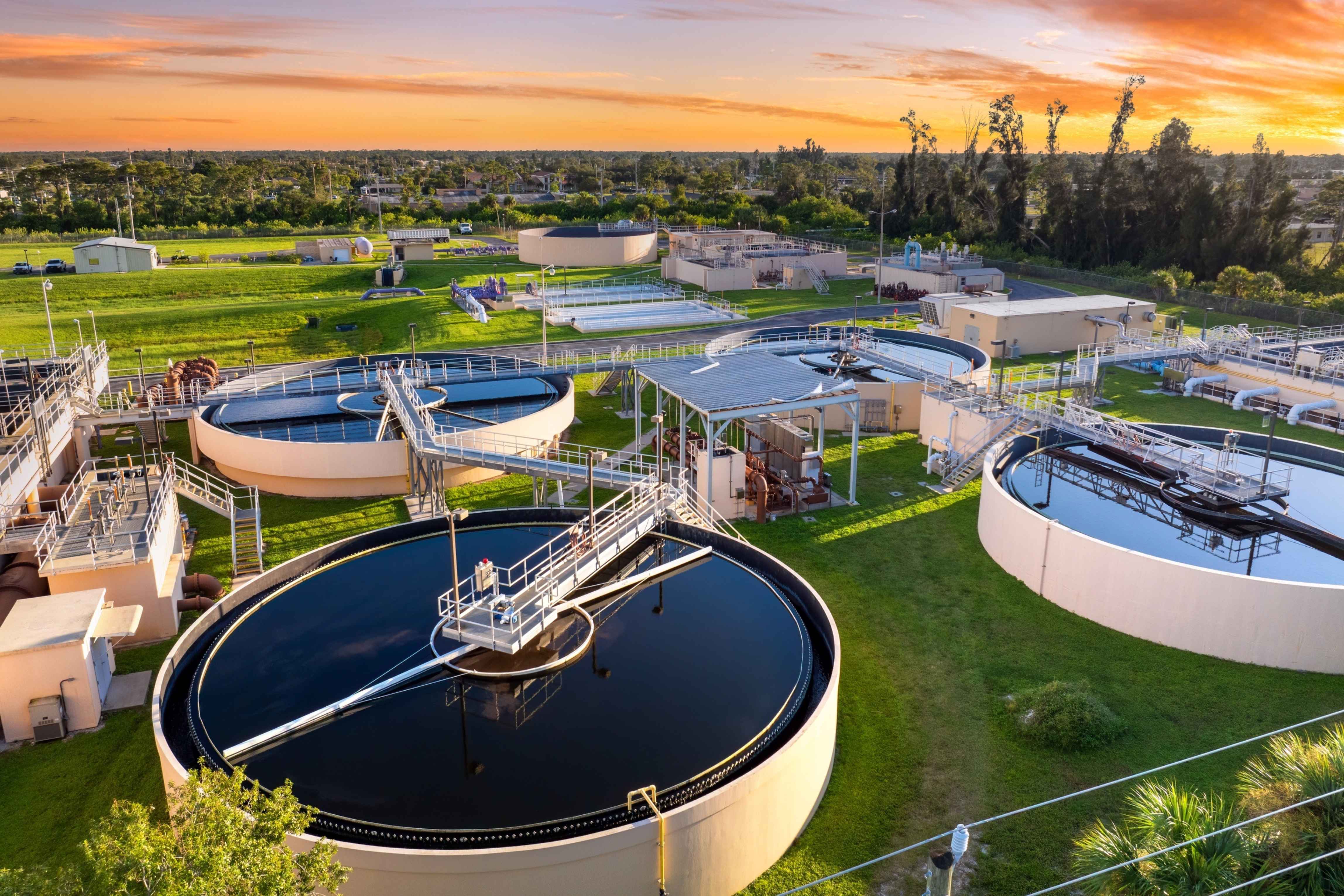
Desulphurisation and water purification with oxygen and the MIXFLO® system
Pure oxygen, under controlled conditions, inhibits the formation of hydrogen sulphide (H₂S) in biogas desulphurisation without diluting it. The SIAD MIXFLO® system ensures transfer efficiency above 95% for O₂, O₃, and CO₂ into wastewater and sludge, with great operational flexibility, reduced odours, and increased plant capacity.
Contact us
Do you produce biomethane or bio-LNG?
Speak with one of our experts, who will identify the gases, plants, and services best suited to every stage of your supply chain, from desulphurisation to liquefaction.
Related Applications
Other SIAD solutions for related processes
Discover the related solutions best suited to your production process