Oxygen
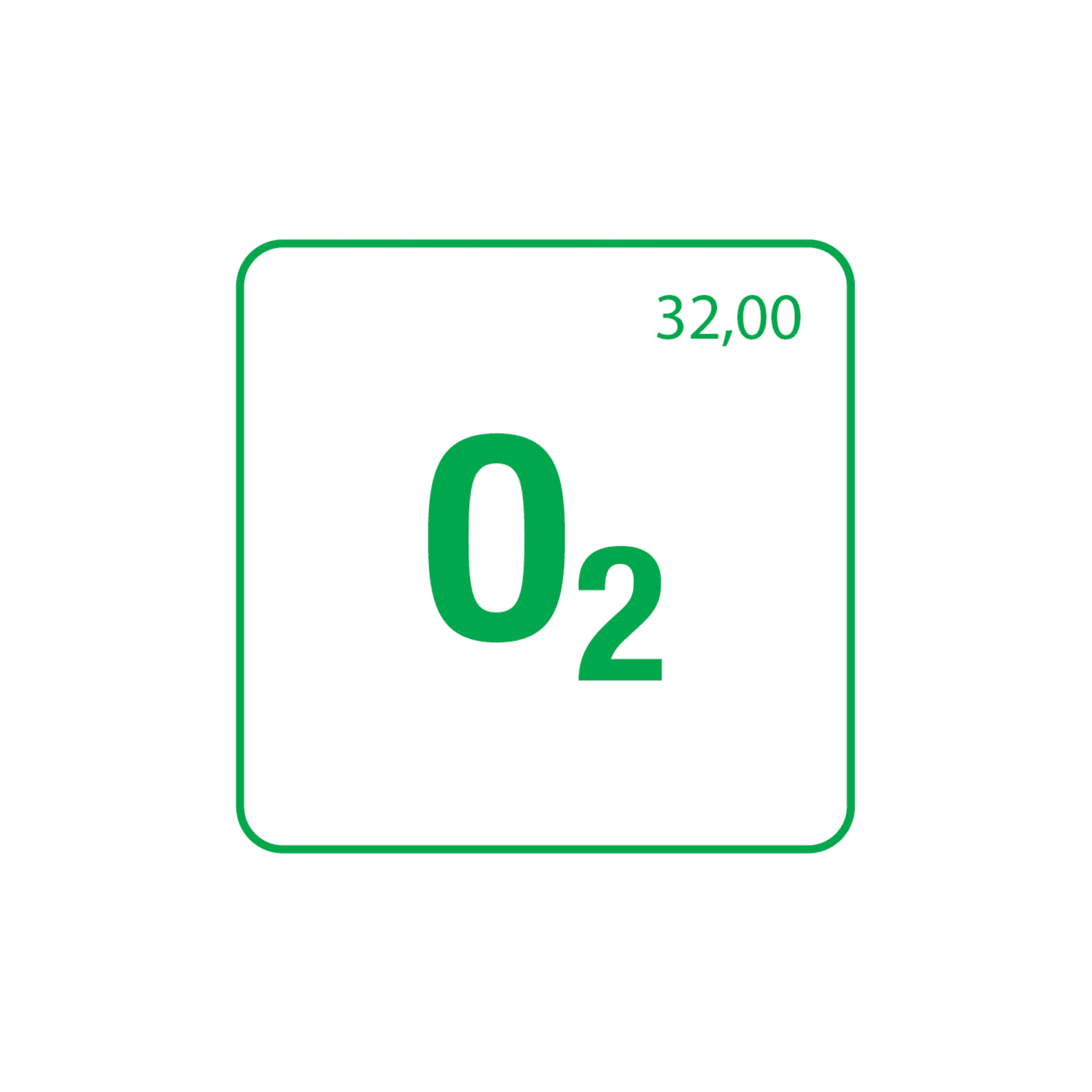
Oxygen, which makes up 21 percent of the earth's atmosphere, supports life and makes combustion possible.
The most abundant of all elements on earth, oxygen accounts for 85 percent of the earth's oceans and, as a component of most rocks and minerals, 46 percent of its solid crust. In addition, it constitutes 60 percent of the human body.
Oxygen reacts with all elements, except noble gases, to form compounds called oxides. The rate of reaction - known as oxidation - varies. For example, magnesium oxidizes very rapidly, igniting spontaneously in air. However, noble metals, such as gold and platinum, oxidize only at very high temperatures.
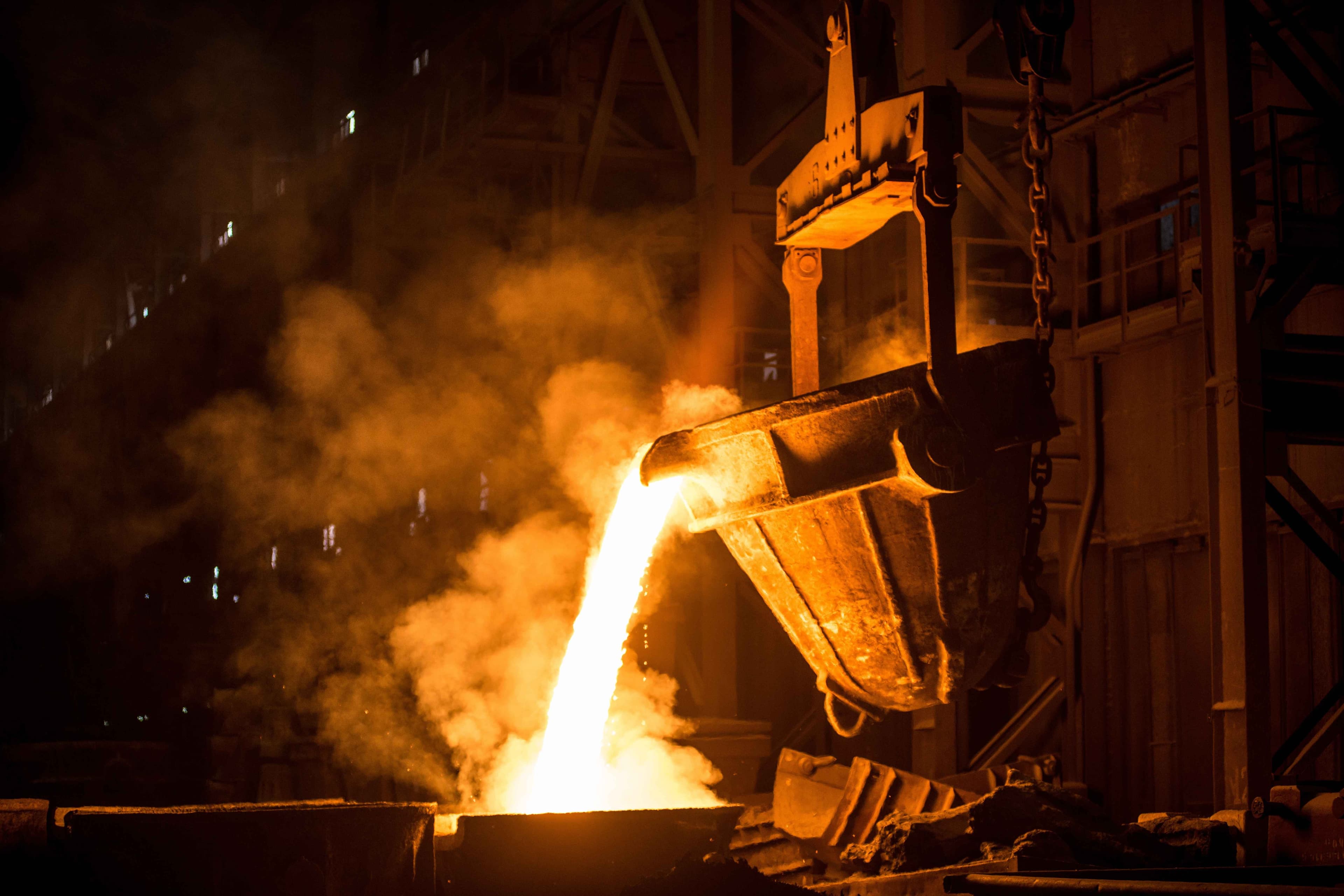
Although oxygen itself is nonflammable, it enhances combustion and enables all materials that are flammable in air to burn much more vigorously. These combustion-supporting properties account for its use in many industrial applications.
O₂
Chemical Formula
31.998
Molecular Weight
90.180
Boiling Point at 101.3 kPa
1.1
Relative density (air = 1)
Technical Properties
Product: oxygen
Chemical formula: O₂
Purity level: ≥ 99.5%
Relative density (air = 1): 1.1
Aspect: colourless gas
Odour: odourless gas
Limit of flammability in air: not applicable
Other properties: poor solubility in water
Chemical formula: O₂
Purity level: ≥ 99.5%
Relative density (air = 1): 1.1
Aspect: colourless gas
Odour: odourless gas
Limit of flammability in air: not applicable
Other properties: poor solubility in water
Speak with our experts
Gas quality and safety are guaranteed through rigorous checks along the entire supply chain—from production to the point of use—using certified and traceable processes. Safety data sheets, declarations of conformity, and certificates of analysis accompany every product, ensuring transparency and comprehensive information for proper use.
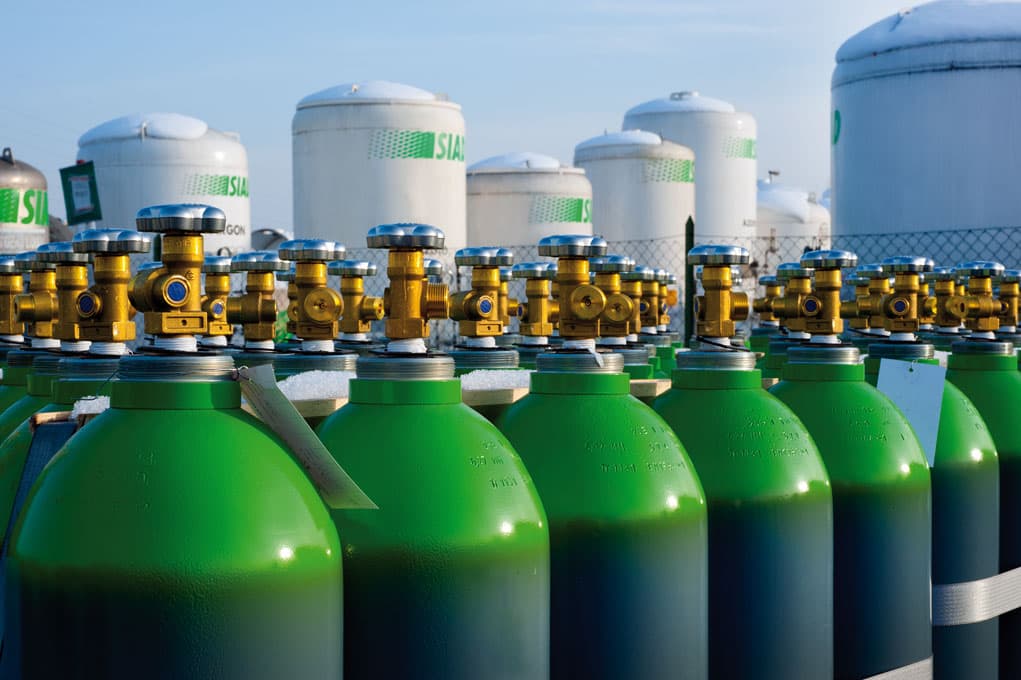
Applications and Industries




Safety
Safety Data Sheets
Gas quality and safety are guaranteed through rigorous checks along the entire supply chain—from production to the point of use—using certified and traceable processes. Safety data sheets, declarations of conformity, and certificates of analysis accompany every product, ensuring transparency and comprehensive information for proper use.