TIG Welding
Why TIG welding
TIG welding : gas shielding changes the resultK
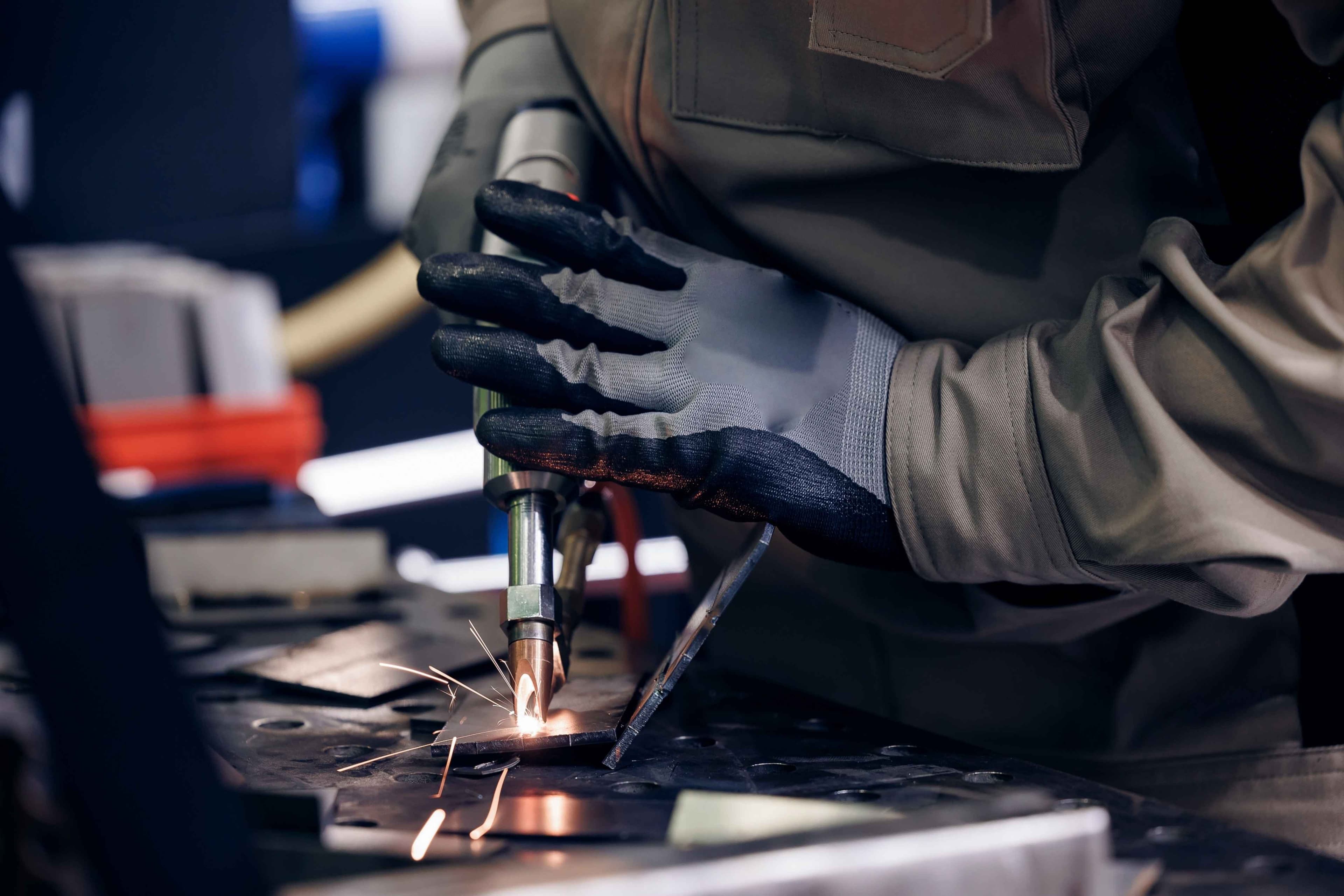
TIG welding is the benchmark process when joint quality is the priority. On stainless steels, aluminum, titanium and reactive metals, the shielding mixture must be calibrated to the material and thickness to ensure uniform penetration, weld bead appearance and absence of oxidation.
1
Elimination of oxides and temper colors
2
Improved quality, penetration and welding speed
3
Tested and certified mixtures for every material and thickness
Products and services for TIG welding
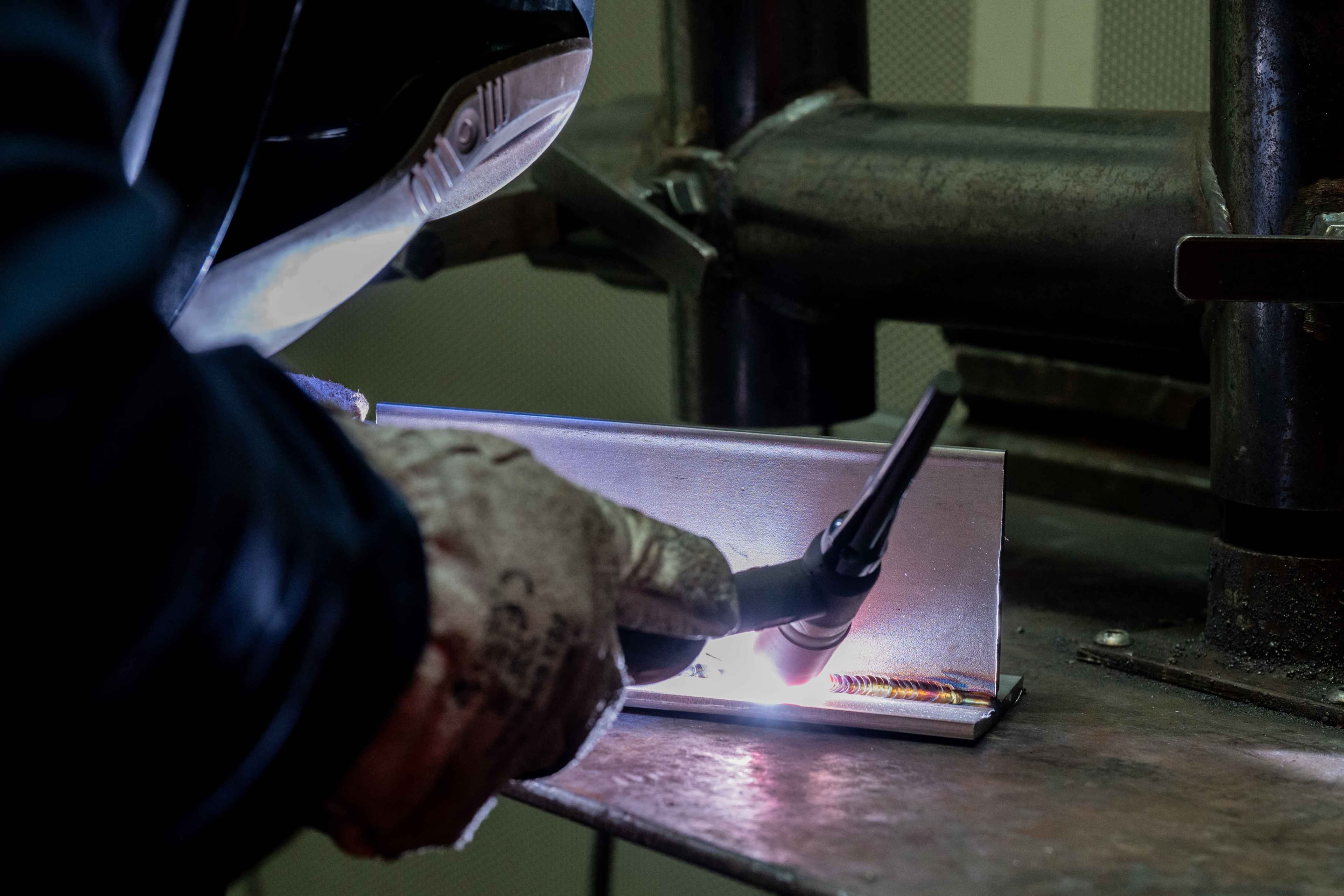
For TIG welding, SIAD offers mixtures calibrated to material and thickness, developed through applied research and tests carried out in customers' production processes. Complementing the offer are a widespread supply service throughout the country and technical consulting dedicated to the customer's process.
Welding stainless steels without oxidation with HYDRAPRO
Argon-hydrogen mixtures for TIG welding of austenitic stainless steels (AISI 300). The hydrogen percentage is calibrated to the thickness: H-3 up to 3 mm, H-5 and H-7 for medium thicknesses, H-10 for greater thicknesses. The reducing action of hydrogen deoxidizes the weld bead, reduces heat input and increases welding speeds.
Welding aluminum, titanium and reactive metals with HELIPRO
Argon-helium mixtures for TIG welding of aluminum alloys, titanium, nickel, copper, bronzes and brasses. The helium percentage in the Helipro mixture varies according to thickness: low percentages for thin thicknesses, up to 70% for greater thicknesses. Compared to pure argon, helium ensures greater fluidity of the molten pool, better arc stability and more uniform weld bead penetration.
Gas always available with Flexigas
Flexigas is the service that guarantees the right amount of gas, calibrated to the consumption of the production process. Mobile cryogenic containers deliver a greater quantity of gas in the same footprint as a cylinder bundle, with maintenance included and automatic reordering.
Contact us
Do you work with TIG welding?
Our experts identify the mixture best suited to your process and support you in optimizing welding, with continuous technical assistance.
Related applications
Other SIAD applications for metalworking
Discover the related solutions best suited to your production process